









Learn how to wind a watch correctly: crown rotation techniques and expert tips for caring for your automatic timepiece.
What Is Watch Winding?
One of the most fascinating aspects of an automatic watch is how it works. Unlike quartz watches that rely on batteries, automatic watches come alive through the motion of the wearer. The movement of your wrist powers the rotor, which then energises the mainspring.
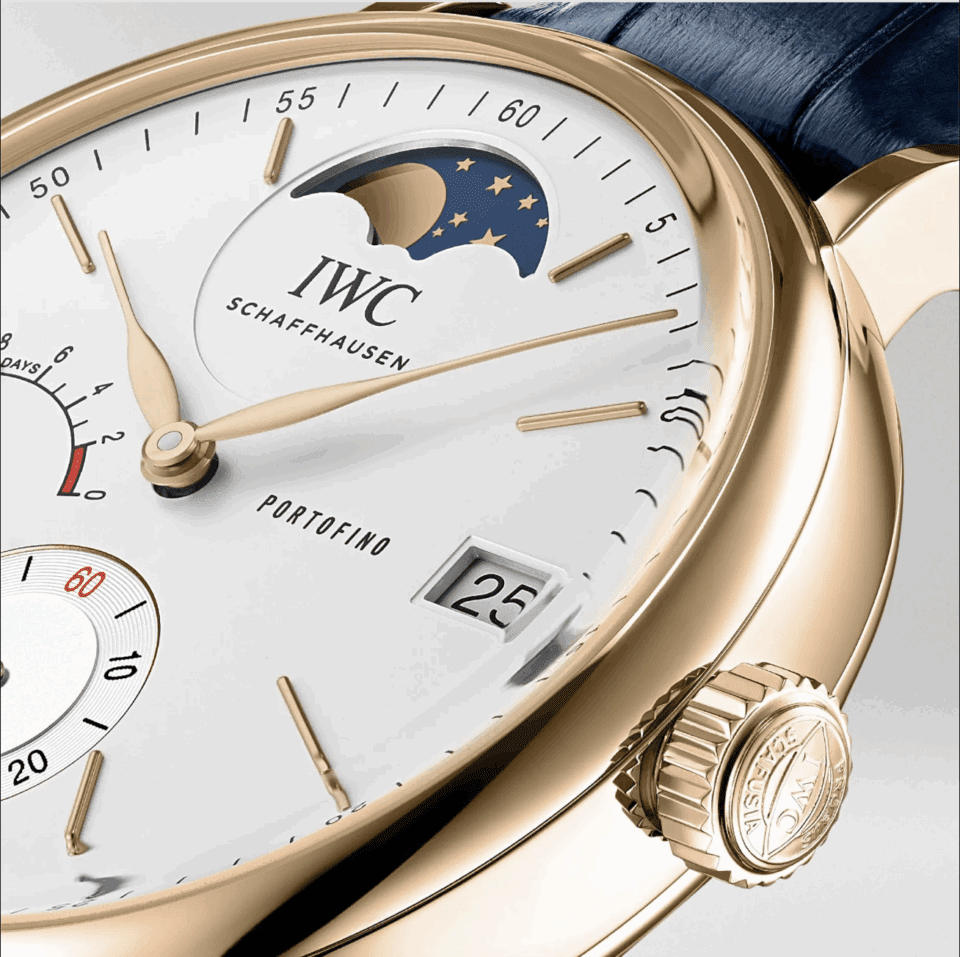
This means automatic watches don’t need a battery—they “live” through your daily activity. However, at times, a manual wind is necessary to keep performance at its best.
Why Is Watch Winding Important?
- To maintain accuracy in your automatic watch.
- To provide power to the mainspring so it doesn’t run out of energy.
- To keep the power reserve filled, especially when the watch isn’t worn every day.
Most modern automatic watches feature a power reserve of 40 to 70 hours—enough to keep running for a couple of days even when unworn.

How to Wind a Watch Correctly
Here are simple steps to ensure your automatic watch is wound the right way:
- Remove the watch from your wrist
Prevents excess pressure on the crown and stem.
- Turn the crown clockwise
Rotate gently, about 20-30 times, or until the second hand begins to move.
- Secure the crown
Push it back into its normal position to maintain water resistance.
- Avoid over-winding
While most automatic movements include a slipping clutch, excessive winding can still cause unnecessary wear.
Extra Tips for Automatic Watch Care
- Wear it regularly so the rotor keeps generating power.
- Use a watch winder if you own multiple watches and rotate them.
- Schedule regular servicing at our authorised service centres, the TIMECARE or the Rolex Service Centre.

With the right care and by knowing how to wind a watch correctly, you ensure your timepiece remains accurate, reliable, and ready for every moment.
Recommended Automatic Watches
If you’re looking for a high-performing automatic watch, explore the collections at INTime and The Time Place. These boutiques offer exceptional luxury timepieces, with advanced calibres and power reserves of more than 70 hours.
FAQ: How to Wind a Watch Correctly
1. Does an automatic watch always need manual winding?
Not necessarily. If worn daily, the rotor will keep the watch powered.
2. How many turns are recommended when winding?
About 30–40 turns are sufficient to fill the power reserve.
3. Can over-winding damage my watch?
Most movements feature a slipping mechanism, but it’s still best to avoid over-winding for long-term durability.
4. What should I do if my watch stops completely?
Perform a manual wind first, then wear it so the rotor can continue to recharge the mainspring.